Unit 301 No. 6 Xianghong Road,Torch Hi-Tech Zone Industrial Park,Xiang'an District, Xiamen P.R.China
+86-13365922007
[email protected]


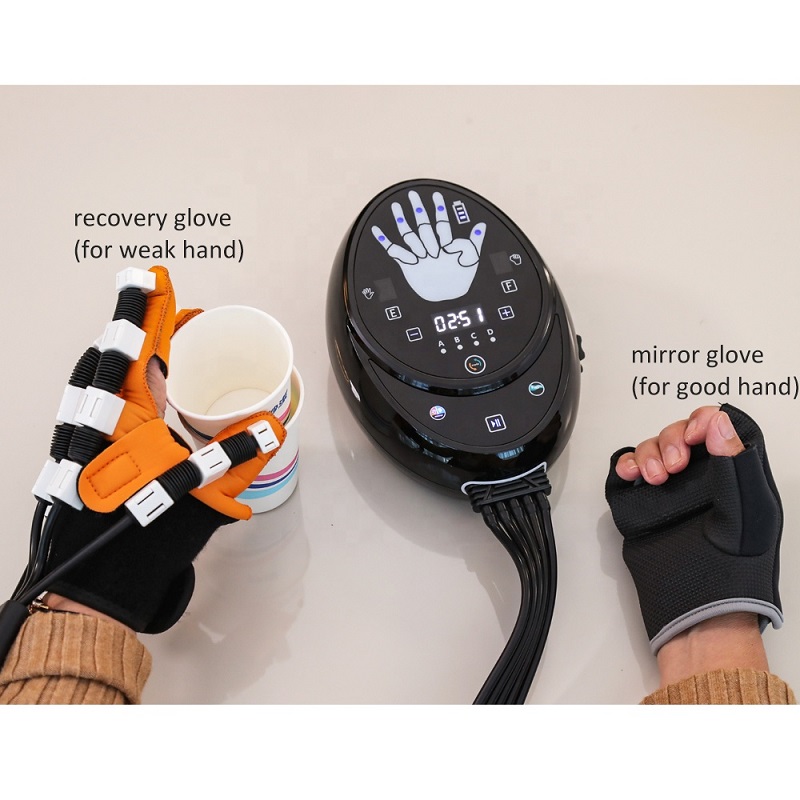
Walk into any busy neurology ward or stroke recovery center, and you will hear a common complaint from clinic directors: there simply aren’t enough occupational therapists to go around. Hand rehabilitation is a tedious, high-repetition process. To truly regain motor function after a neurological injury, a patient must perform hundreds of grasping motions per day.
To bridge this staffing gap, the medical industry has rapidly adopted automated solutions, primarily rehabilitation robot gloves. However, the sudden surge in market demand has created a serious problem for B2B medical distributors. The supply chain is currently flooded with cheap, consumer-grade toys masquerading as clinical devices.
If a distributor sells a subpar device to a hospital, the resulting RMA (Return Merchandise Authorization) claims and damaged reputation can be devastating. Drawing from our extensive R&D and manufacturing experience in smart rehabilitation equipment, here are the critical product selection tips you need to confidently source clinical-grade rehabilitation robot gloves that hospital buyers actually want.
The most dangerous mistake a buyer can make is ignoring the internal mechanics of a finger recovery robot machine.
Post-stroke patients typically suffer from high muscle tone, spasticity, or joint contractures. Their hands are often clenched tightly. Cheaply manufactured hand robot gloves rely on hard mechanical servos and rigid plastic exoskeletons to physically pry the hand open. If the patient has a sudden spastic spasm while the machine is operating, these hard motors can cause severe ligament damage or even bone fractures.
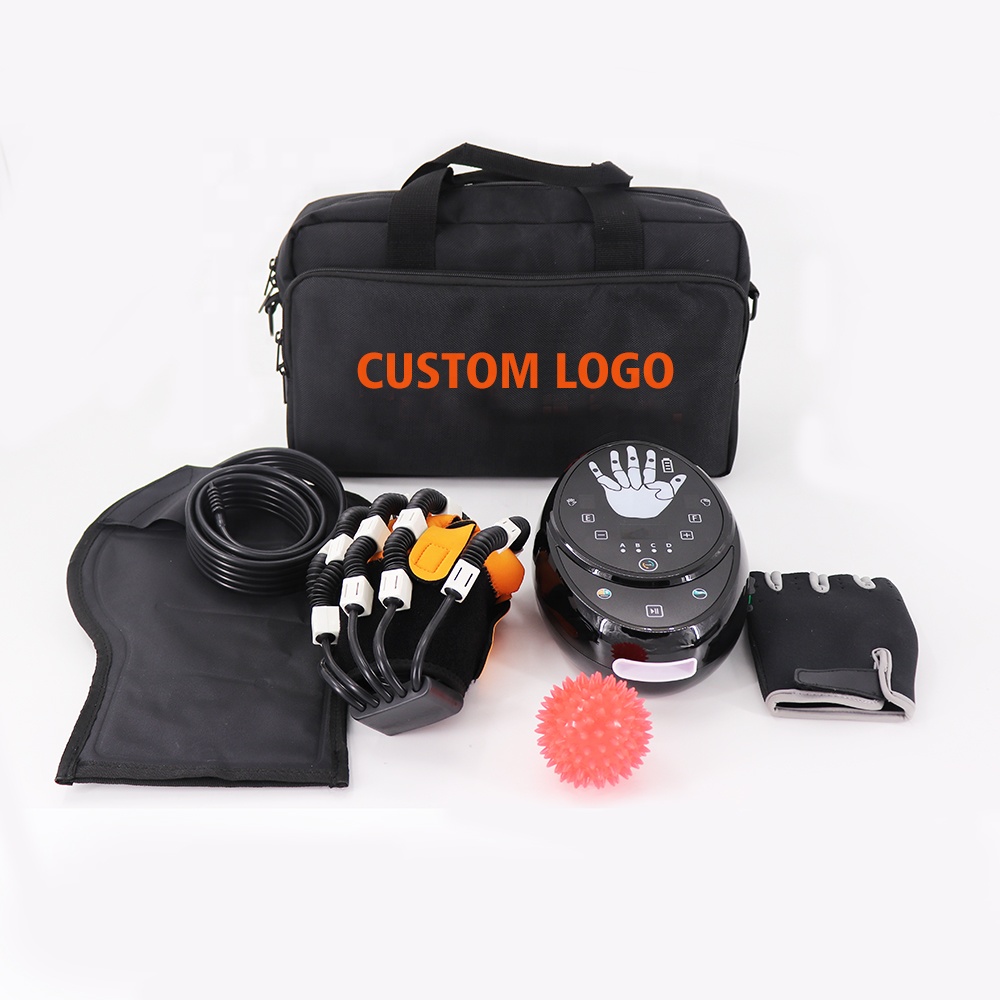
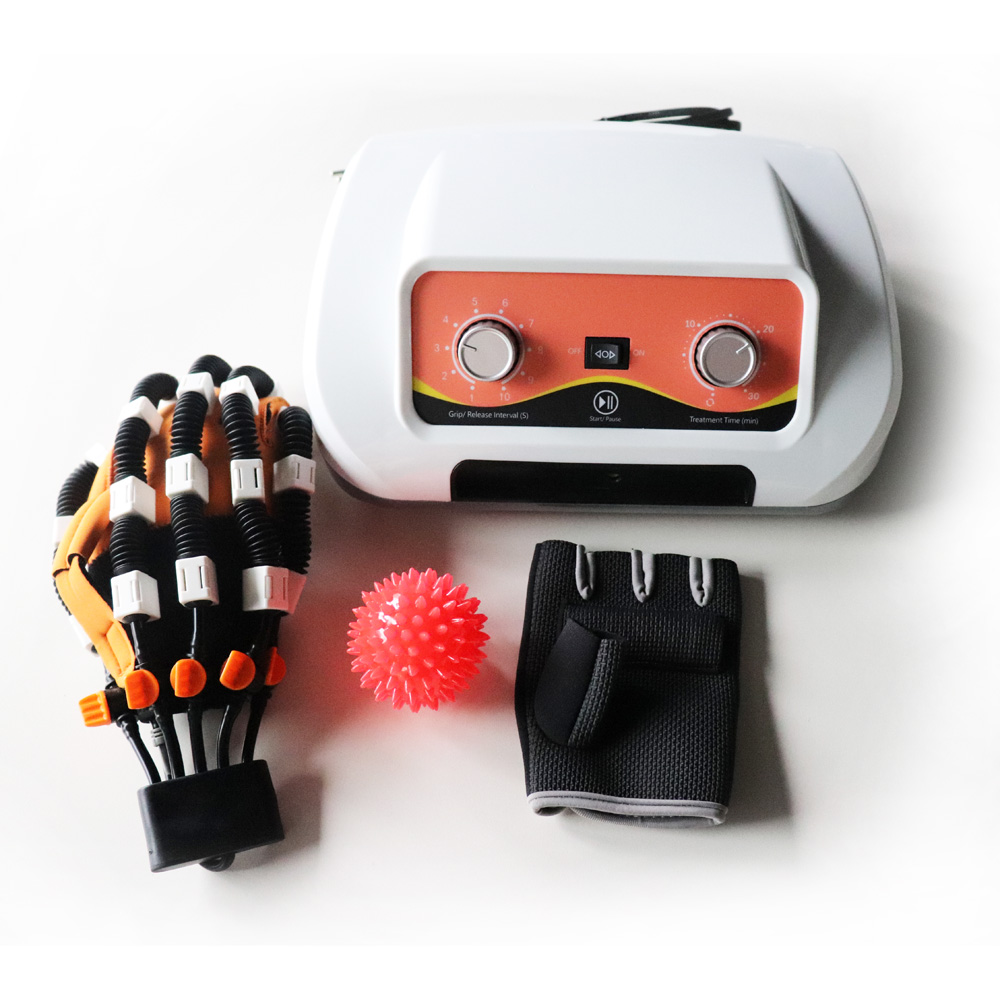
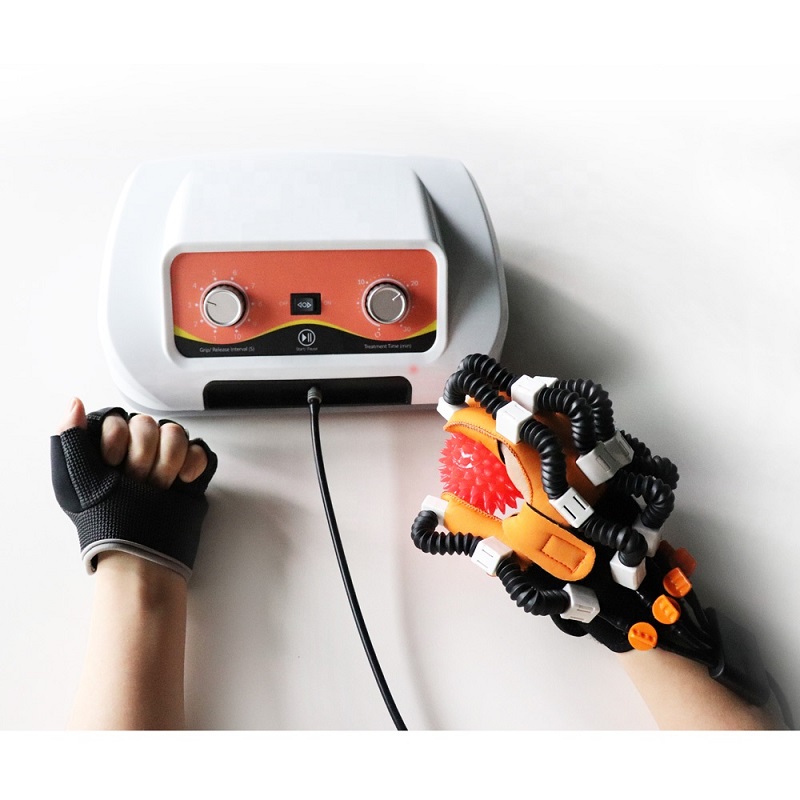
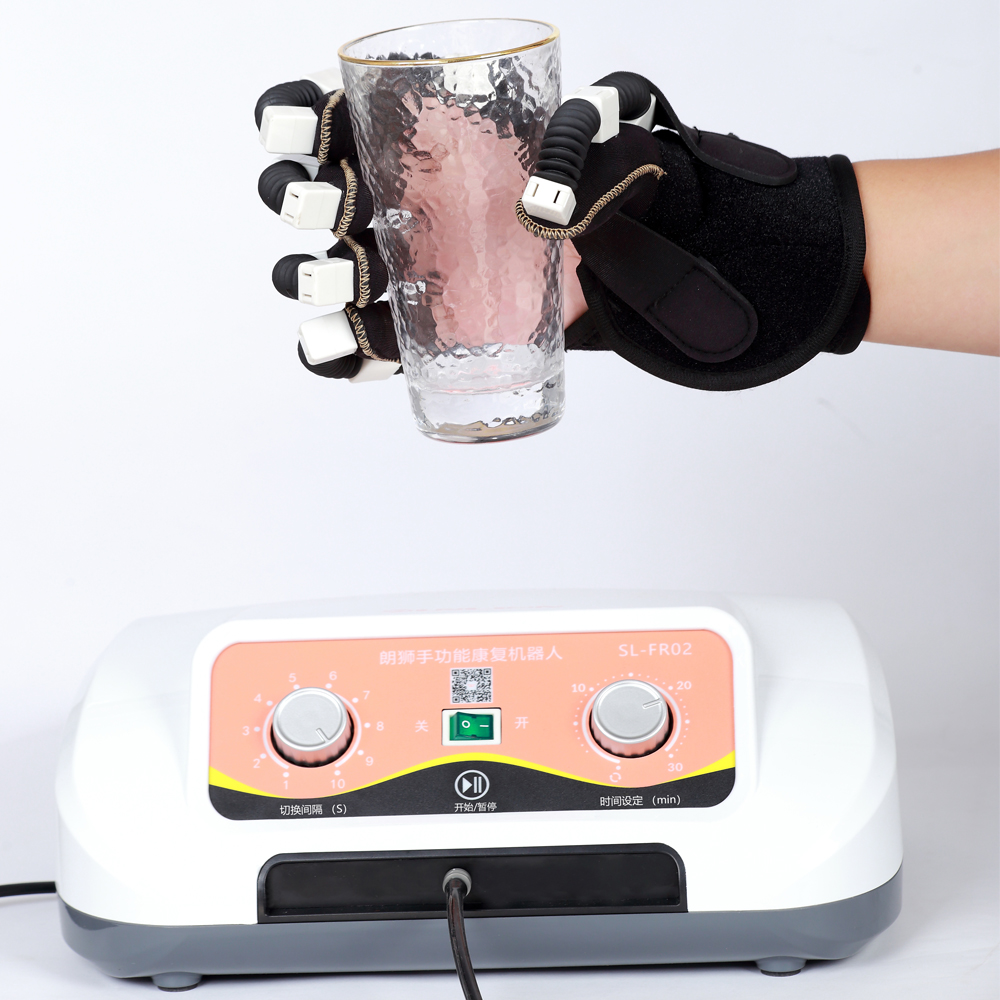
When vetting a supplier, you must insist on soft robotics. Premium rehabilitation robot gloves utilize advanced pneumatic (air-driven) bionics. Instead of hard gears, they use segmented air bladders located over each joint. When air is pumped in, the glove gently unfurls the fingers. If the patient resists due to a spasm, the air simply compresses, providing a safe, yielding cushion.
A retail massager simply opens and closes the hand. A true clinical hand finger rehabilitation robot is designed to rewire the brain (neuroplasticity). To do this, the device must offer multiple distinct therapy modes.
When evaluating product specifications for your catalog, ensure the rehabilitation robot gloves feature the following three core modes:
If the robot gloves for hand training you are looking at do not have real-time mirror therapy capabilities with near-zero latency, they belong in a retail catalog, not a medical one.
Clinical environments are brutal on equipment. A single pair of rehabilitation robot gloves might be used by eight different patients in a single afternoon.
From a manufacturing perspective, the failure point of most robot gloves for hand training is the stitching and the fabric, not the computer chip. If the glove absorbs sweat, it becomes a biohazard. If the velcro degrades after fifty uses, the air bladders won't align with the patient's knuckles, rendering the therapy useless.
Ask your supplier about their materials. The inner lining should be made of moisture-wicking, antimicrobial fabric, or ideally, a medical-grade polymer that can be wiped down with harsh hospital disinfectants (like CaviWipes) without degrading. Furthermore, the air hoses connecting the glove to the main console must be thick-walled and feature medical-grade, quick-release locking valves to prevent air leaks during high-pressure therapy.
To help your procurement and sales teams differentiate between consumer imports and professional medical devices, we use this baseline comparison in our factory consultations:
Feature |
E-Commerce "Gadget" Glove |
Clinical Rehabilitation Robot Gloves |
Power Source |
Flimsy brushed pump, prone to overheating |
Continuous-duty brushless pneumatic compressor |
Finger Isolation |
Moves all 5 fingers at once |
Individual valving (e.g., train index finger only) |
Therapy Modes |
Simple Auto (Open/Close) |
Passive, Active-Assist, and Real-Time Mirror |
Infection Control |
Porous nylon, difficult to sanitize |
Biocompatible polymers, wipeable surfaces |
Data Tracking |
None |
Exports grip strength data to clinical software |
While selling capital equipment to hospitals is lucrative, savvy distributors are leveraging rehabilitation robot gloves to build recurring revenue through the DME (Durable Medical Equipment) rental model.
Because stroke recovery is a months-long process, clinics frequently prescribe home therapy. Distributors can rent the heavy-duty control console to the patient by the month, while selling the consumable, patient-specific rehabilitation robot gloves to them directly.
To succeed in this model, the equipment must be "senior-friendly." The touchscreens must be large, the interface must be intuitive, and the voice-prompts should be clear. If a 75-year-old patient gets frustrated trying to operate the machine at home, the rental will be returned early.
The market for automated neuro-rehabilitation is not slowing down. As clinics look to increase patient throughput without adding payroll, the reliance on rehabilitation robot gloves will only grow.
By prioritizing safe pneumatic drive systems, intelligent active-assist sensors, and hospital-grade durability, B2B distributors can elevate their product catalogs and become trusted partners to elite medical facilities. Don't let your brand be associated with cheap consumer gadgets; source equipment that actually changes patients' lives.
Are you ready to expand your neurology and physical therapy product lines? Partner with a manufacturer that understands the clinical science behind the hardware. Contact our R&D and sales team today to discuss bulk procurement, OEM customization, and how our advanced rehabilitation robot gloves can drive sustained growth for your distribution business.
 EN