Unit 301 No. 6 Xianghong Road,Torch Hi-Tech Zone Industrial Park,Xiang'an District, Xiamen P.R.China
+86-13365922007
[email protected]



To build a modern hand therapy program, clinical directors must move beyond the limitations of manual labor. Integrating a hand finger rehabilitation robot transforms a traditional occupational therapy clinic by standardizing patient care, dramatically increasing daily throughput, and providing the measurable data required for institutional growth.
For decades, post-stroke hand recovery was heavily dependent on 1-on-1 manual manipulation. While skilled therapists are irreplaceable, treating severe neurological deficits manually is slow and exhausting. As a manufacturer engineering advanced medical care equipment since 2010, we have watched forward-thinking hospital networks completely restructure their neurological wards. Today, the foundation of a scalable occupational therapy department is automated, intelligent hardware.
For B2B distributors, medical suppliers, and hospital procurement teams, selling a hand finger rehabilitation robot is no longer just about selling a device; it is about selling a modernized clinical workflow. Here is how introducing a hand finger rehabilitation robot helps healthcare facilities build robust, scalable, and highly profitable hand therapy programs.
The biggest hurdle in building a successful hand therapy program is staffing. There is a global shortage of specialized occupational therapists (OTs). When a clinic relies solely on manual stretching and manual resistance exercises, one OT can only treat one patient at a time. This creates massive clinical bottlenecks and long patient waiting lists.
Introducing a hand finger rehabilitation robot immediately solves this staffing crisis. By utilizing automated therapy modes, a clinic can transition to a "one-to-many" treatment model.
In a modernized program, a single therapist can manage a pod of three to four patients simultaneously. The therapist assesses the first patient, sets them up with a hand finger rehabilitation robot, programs a 20-minute passive flexion routine, and then moves to the next patient. The hand finger rehabilitation robot acts as a tireless mechanical assistant, delivering perfectly paced, repetitive motion while the human therapist oversees the entire room. This setup allows clinics to triple their daily patient volume without hiring additional clinical staff.
In a large hospital network, consistency is critical. If a patient sees Therapist A on Tuesday and Therapist B on Thursday, their treatment intensity might vary based on the therapist's physical strength or fatigue level. This lack of standardization makes it difficult for clinic directors to guarantee patient outcomes.
A high-quality hand finger rehabilitation robot brings exact, quantifiable standardization to a therapy program. Whether it is 8:00 AM or 5:00 PM, the machine performs with exact precision.
When a facility integrates a hand finger rehabilitation robot, they can build standardized clinical pathways. For example, all patients in the first week of stroke recovery are automatically assigned a specific pneumatic hemiplegia finger rehabilitation trainer robot gloves protocol to safely manage spasticity. Because the equipment handles the repetitive heavy lifting, the clinical directors know that every patient is receiving the exact same baseline of care, regardless of which human staff member is on shift.
Modern medicine is driven by data. Hospital administrators and insurance providers demand measurable proof that a therapy program is actually working. Traditional tools like foam grip balls provide zero metric feedback.
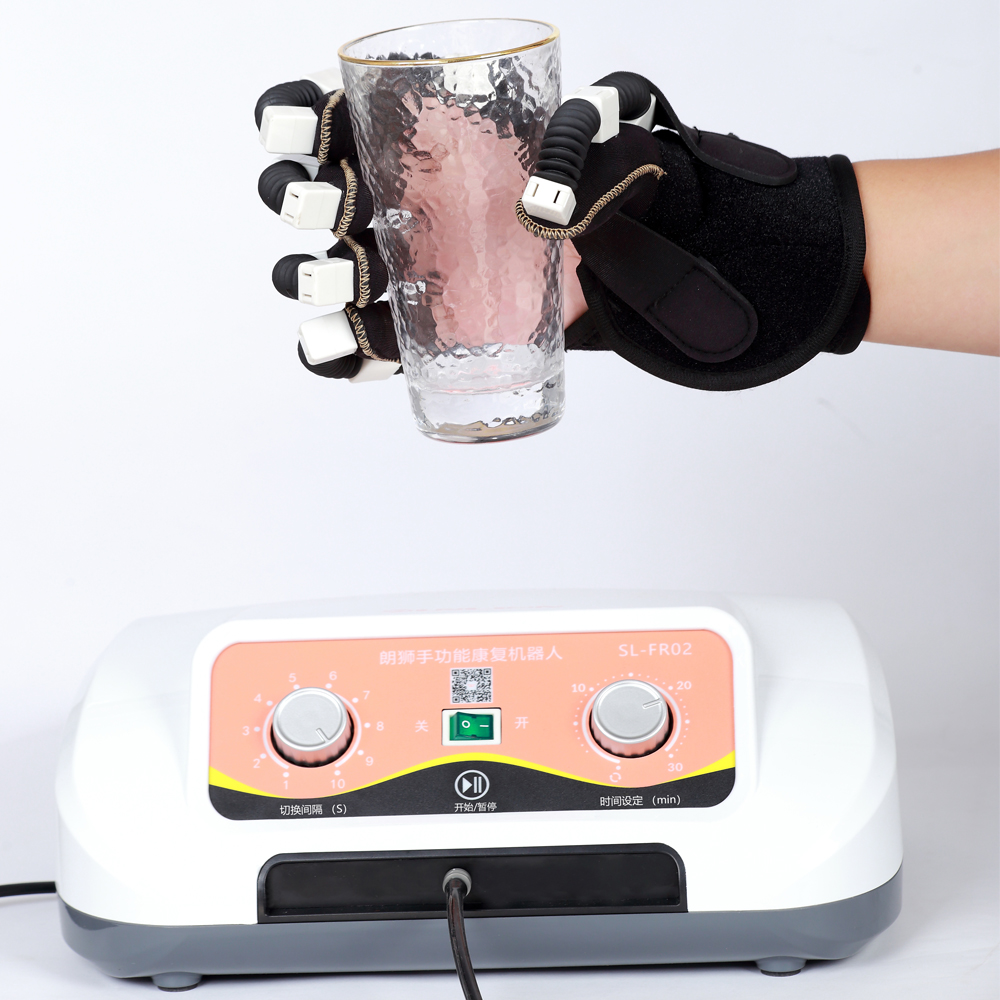
Older, rigid electric hand rehabilitation robot gloves could force a hand open, but they lacked digital intelligence. Today, a premium hand finger rehabilitation robot is a highly sophisticated data-tracking tool. These systems record exactly how many flexion and extension cycles a patient completes, their active grip strength assistance, and their session durations.
By building a therapy program around a hand finger rehabilitation robot, clinics can instantly export this data to electronic health records (EHR). When patients can visually see their progress on the screen—realizing they completed 300 active extensions this week compared to 150 last week—their motivation skyrockets. Furthermore, this concrete data makes it significantly easier for the hospital billing department to justify therapy extensions to health insurance companies.
To illustrate how this equipment physically builds a program, look at a recent project we partnered on with a private neuro-rehab center in the Middle East.
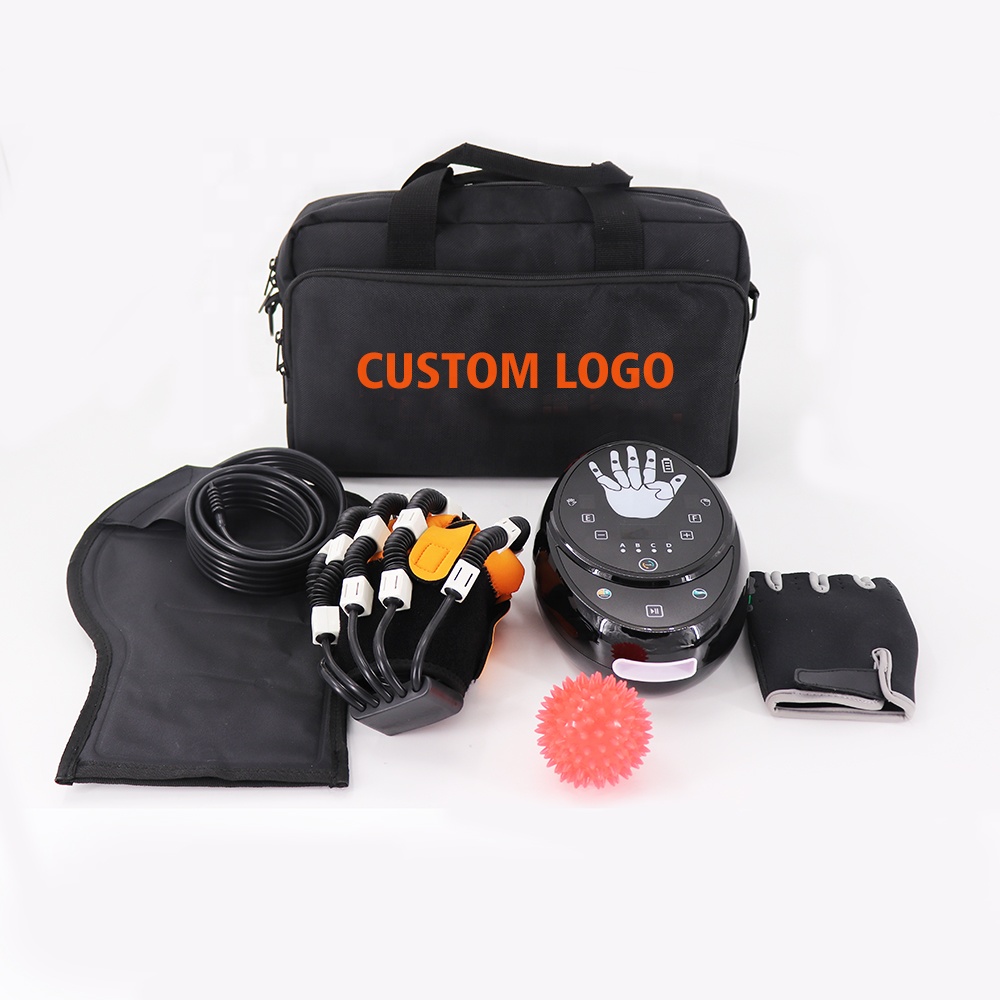
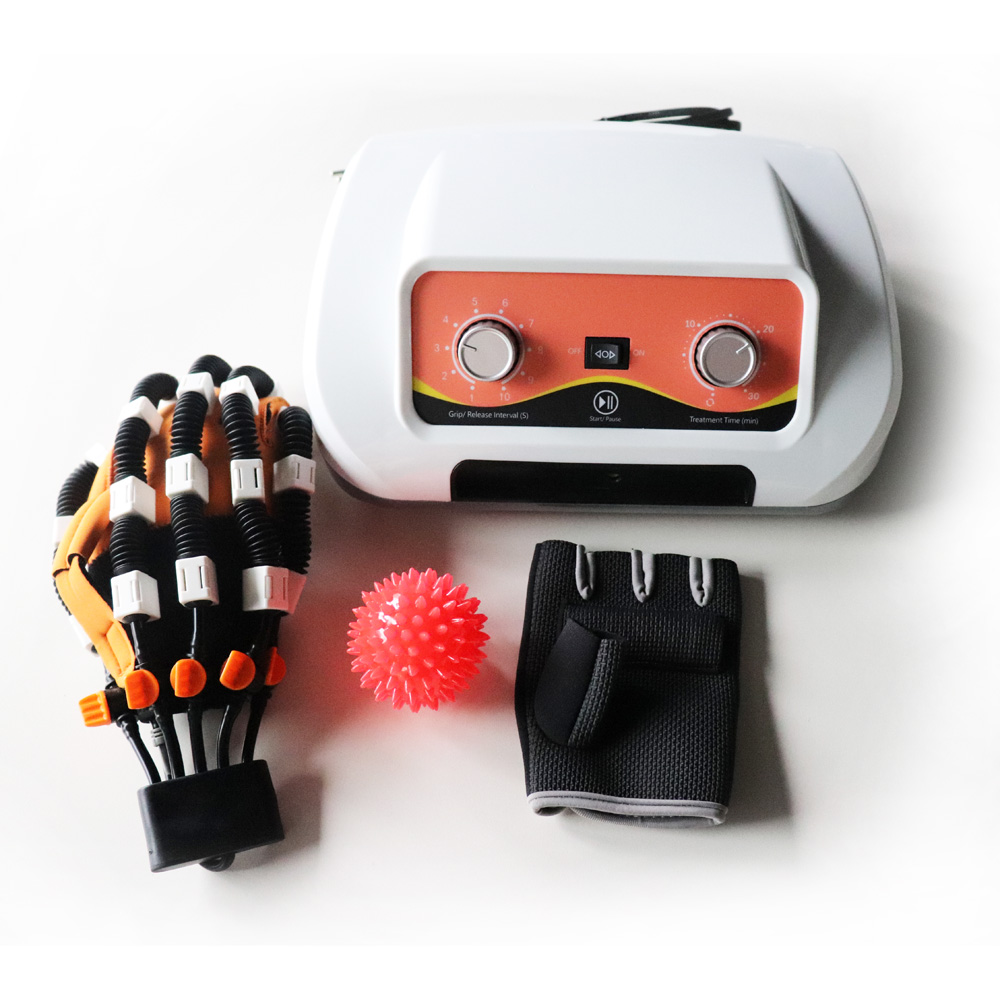
This newly built facility wanted to market itself as the premier stroke recovery center in the region. Instead of filling their occupational therapy rooms with traditional wooden pegboards and static splints, they purchased a fleet of our commercial robot gloves for hand training.
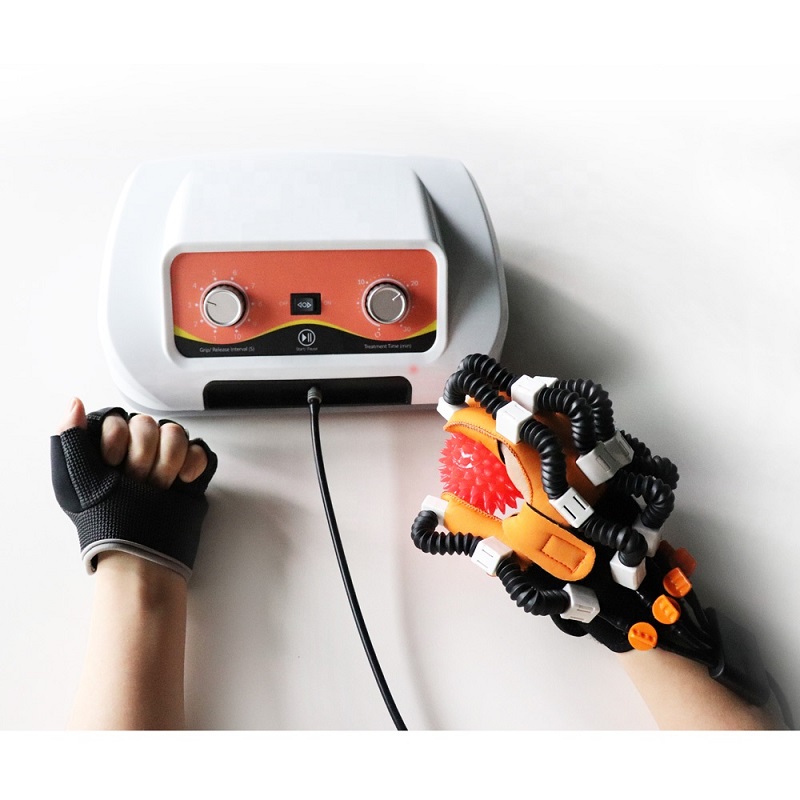
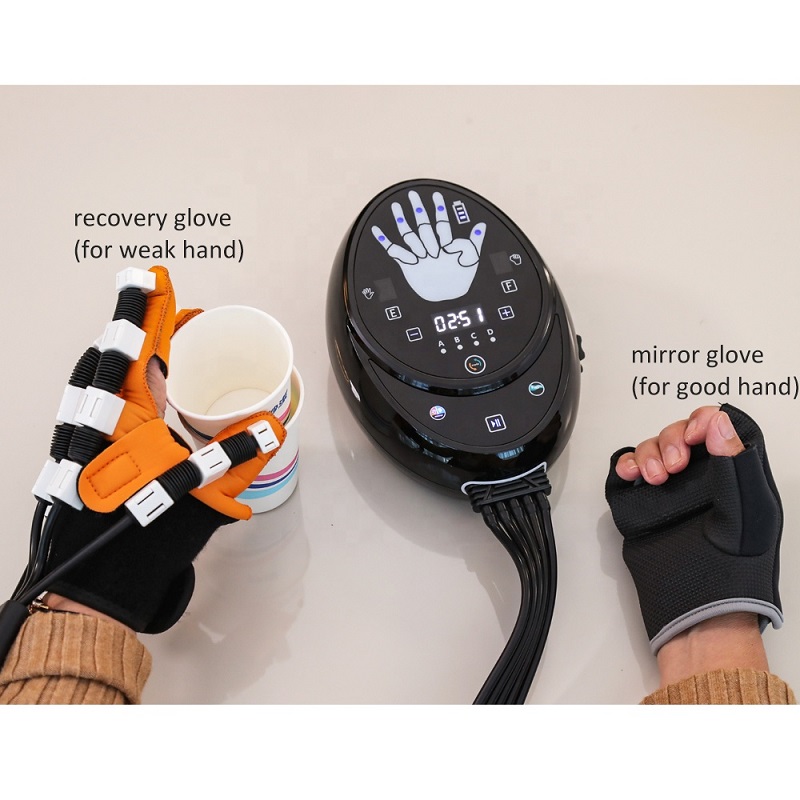
They designed their entire hand therapy wing around these devices. They created a "Robotic Mirror Therapy Hub" where patients sat in communal circles. Each patient wore a hand finger rehabilitation robot on their paralyzed hand and a sensor glove on their healthy hand. As they squeezed their healthy hands, the robotic gloves mirrored the motion.
The communal setup built a sense of camaraderie among the patients, drastically reducing depression and drop-out rates. Operationally, this modernized program allowed the clinic to treat 40% more patients per day than a traditional facility of the same square footage. For the B2B distributor who supplied the finger recovery robot machine fleet, it resulted in a highly lucrative, recurring maintenance and supply contract.
If you are a distributor helping a clinic build or upgrade their hand therapy program, you must supply equipment that supports facility-level operations. Use this matrix to demonstrate the value of a hand finger rehabilitation robot to hospital administrators:
Program Metric |
Traditional Manual Therapy |
Modern Program via Hand Finger Rehabilitation Robot |
B2B Selling Point |
Therapist Ratio |
1 Therapist : 1 Patient |
1 Therapist : 3+ Patients |
Maximizes clinic revenue without adding payroll. |
Therapy Volume |
Limited by therapist fatigue |
Unlimited, consistent mechanical reps |
Achieves the high repetition needed for neuroplasticity. |
Outcome Tracking |
Subjective visual assessment |
Objective software data logs |
Streamlines insurance billing and patient reporting. |
Patient Engagement |
Often painful and tedious |
Interactive, gamified, and visual |
Increases patient retention and program compliance. |
You cannot build a 21st-century hand therapy program using 20th-century tools. As the global population ages and the demand for neurological rehabilitation surges, clinics are desperate for scalable solutions.
By strategically supplying a hand finger rehabilitation robot, B2B distributors empower hospitals to redesign their workflows from the ground up. You are providing a solution that eliminates staffing bottlenecks, standardizes patient care, and generates objective recovery data. Partnering with a reliable manufacturer to integrate the hand finger rehabilitation robot into your medical catalog ensures that you remain at the forefront of the healthcare supply chain, helping clinics build the highly efficient, modernized therapy programs of the future.
 EN