Unit 301 No. 6 Xianghong Road,Torch Hi-Tech Zone Industrial Park,Xiang'an District, Xiamen P.R.China
+86-13365922007
[email protected]


The landscape of occupational and physical therapy is undergoing a profound transformation. In the past, recovering fine motor skills following a neurological event—such as an ischemic stroke or traumatic brain injury—relied entirely on the physical stamina of the therapist. The process was strictly one-on-one, heavily siloed, and difficult to quantify.
Today, successful clinics do not just buy standalone devices; they build comprehensive, technology-driven recovery programs. At the absolute center of these modernized clinical workflows are rehabilitation robot gloves.
For medical equipment distributors and hospital procurement teams, understanding how rehabilitation robot gloves integrate into a broader clinical ecosystem is the key to closing high-value B2B contracts. You are no longer just selling a piece of hardware; you are providing a scalable solution to clinical staffing shortages and patient outcome tracking. Drawing from our years of manufacturing and R&D expertise, here is an insider’s look at how advanced robotic hand therapy is reshaping clinical programs.
One of the biggest challenges clinical directors face is treatment variability. If a stroke patient sees Therapist A on Tuesday and Therapist B on Thursday, the intensity and duration of their passive finger stretching might vary wildly. This lack of standardization makes it difficult to measure true progress.
Integrating rehabilitation robot gloves into a facility’s core protocol eliminates this inconsistency. High-end devices allow clinicians to program specific, repeatable parameters.
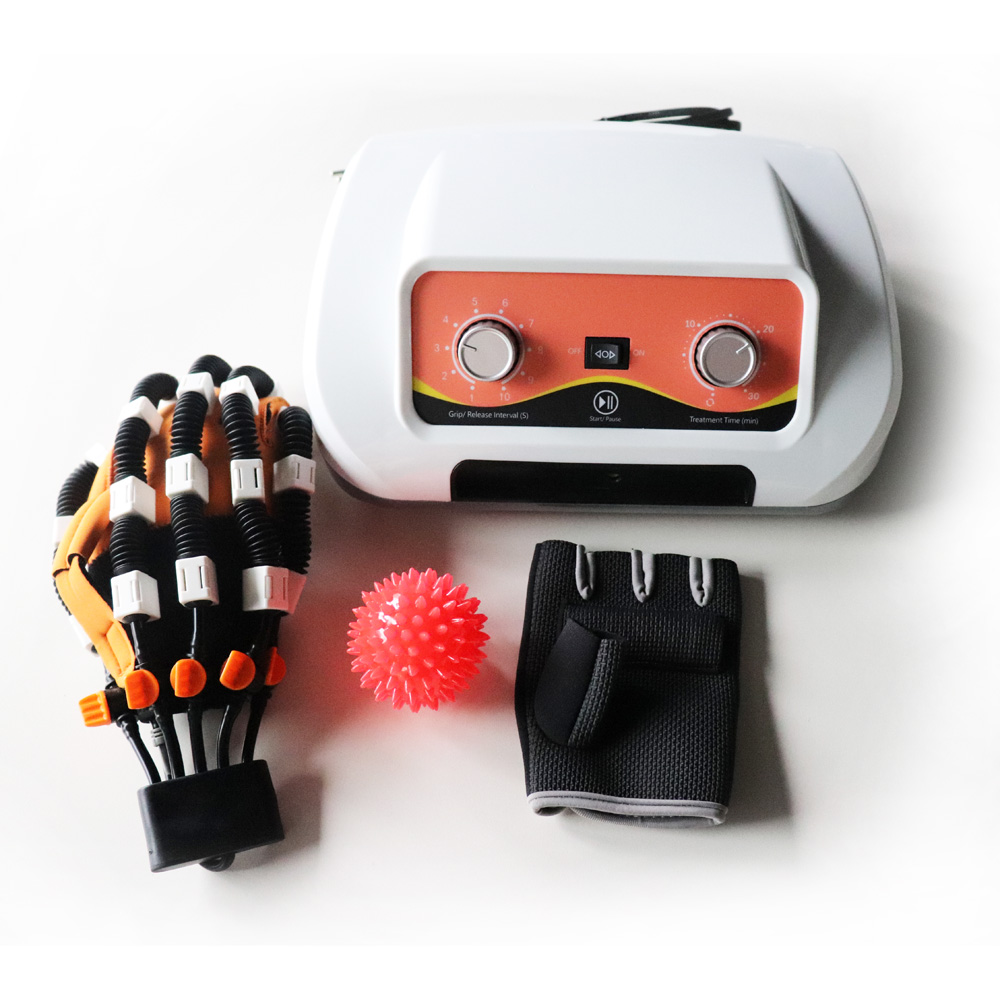
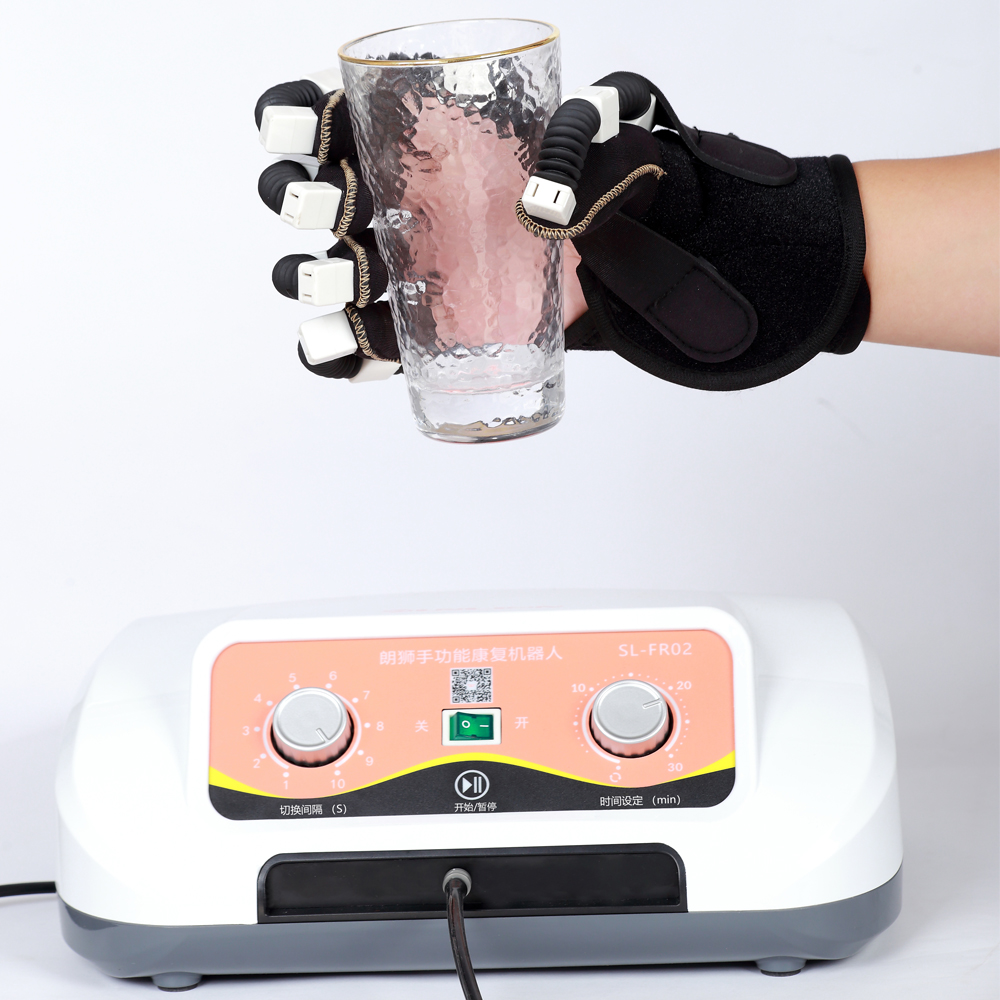
For example, when treating a patient with severe spasticity, a clinic can utilize hemiplegia finger rehabilitation trainer robot gloves to execute a perfectly calibrated, 30-minute passive extension routine. The pneumatic valves deliver the exact same safe, yielding pressure every single session. By standardizing the physical baseline of the therapy, doctors can more accurately assess neurological recovery without the variable of human fatigue getting in the way.
From a B2B sales perspective, the most compelling argument you can make to a hospital buyer is operational efficiency. Occupational therapists are highly skilled, highly paid professionals, and there is a global shortage of them. Having an OT spend 45 minutes manually opening and closing a patient's hand is an inefficient use of clinical resources.
When a clinic anchors its program with rehabilitation robot gloves, it transitions from a 1:1 care model to a 1:3 or even 1:4 model.
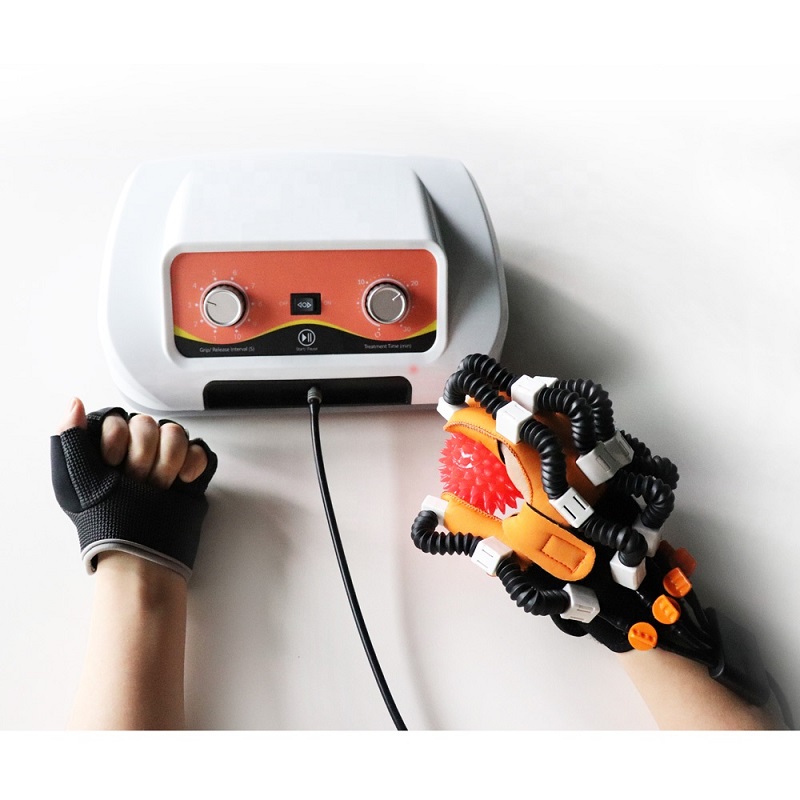
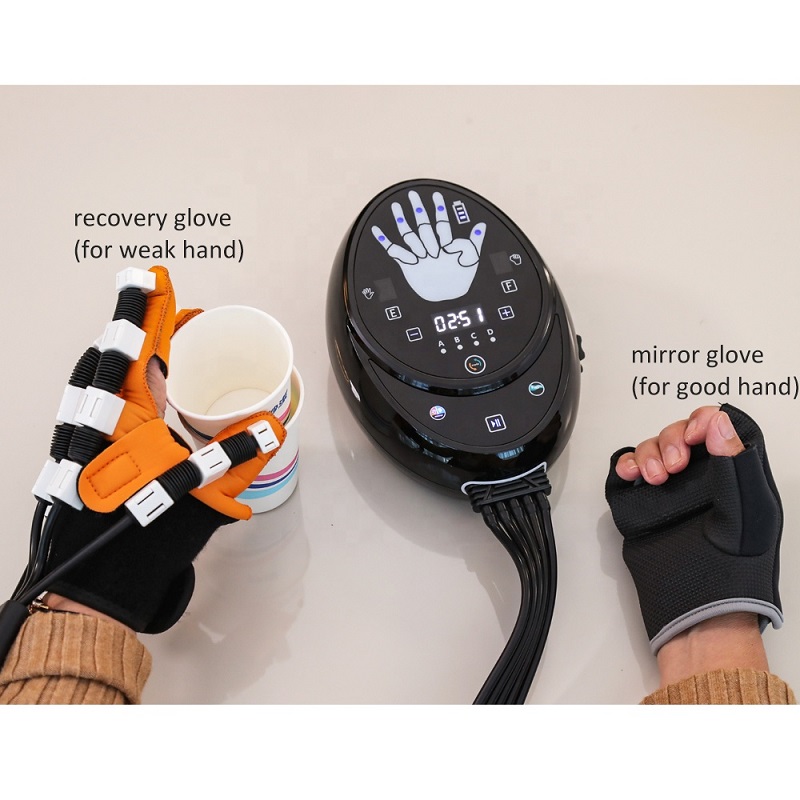
Consider the modern "therapy pod" setup: A single therapist can seat three patients at a specialized station. Patient A is engaged in passive stretching using standard hand robot gloves. Patient B is utilizing active-assist mode, where the glove detects faint muscle twitches and helps them grasp a physical object. Patient C is performing mirror therapy, using their healthy hand to control the robotic glove on their paralyzed hand.
Clinical Metric |
Traditional Manual Therapy |
Program with Rehabilitation Robot Gloves |
Therapist-to-Patient Ratio |
1 : 1 |
1 : 3 |
Repetitions per Session |
~50 to 100 |
300 to 500+ |
Patient Engagement Level |
Moderate (Often painful/tedious) |
High (Gamified, interactive feedback) |
Daily Billable Units |
Capped by staff physical stamina |
Scalable via automated machine time |
By equipping facilities with reliable rehabilitation robot gloves, distributors directly enable clinics to increase their daily patient volume, rapidly accelerating the ROI on the equipment purchase.
Modern therapy programs run on data. To secure ongoing insurance reimbursements, clinics must definitively prove that a patient is making measurable progress. "Patient feels better" is no longer an acceptable clinical note.
This is where the transition from basic retail massagers to professional electric hand rehabilitation robot gloves becomes critical. A clinical-grade device is embedded with highly sensitive force and angle sensors. Every time the patient uses the rehabilitation robot gloves, the system records their active Range of Motion (ROM), grip strength, and spasticity resistance levels.
For B2B distributors, offering rehabilitation robot gloves that feature seamless data export to electronic health record (EHR) systems is a massive competitive advantage. You are providing clinical directors with the exact objective data they need to justify continued therapy to insurance providers.
When a hospital procures equipment for a new neuro-rehab wing, they rarely buy piecemeal. They look for comprehensive solutions.
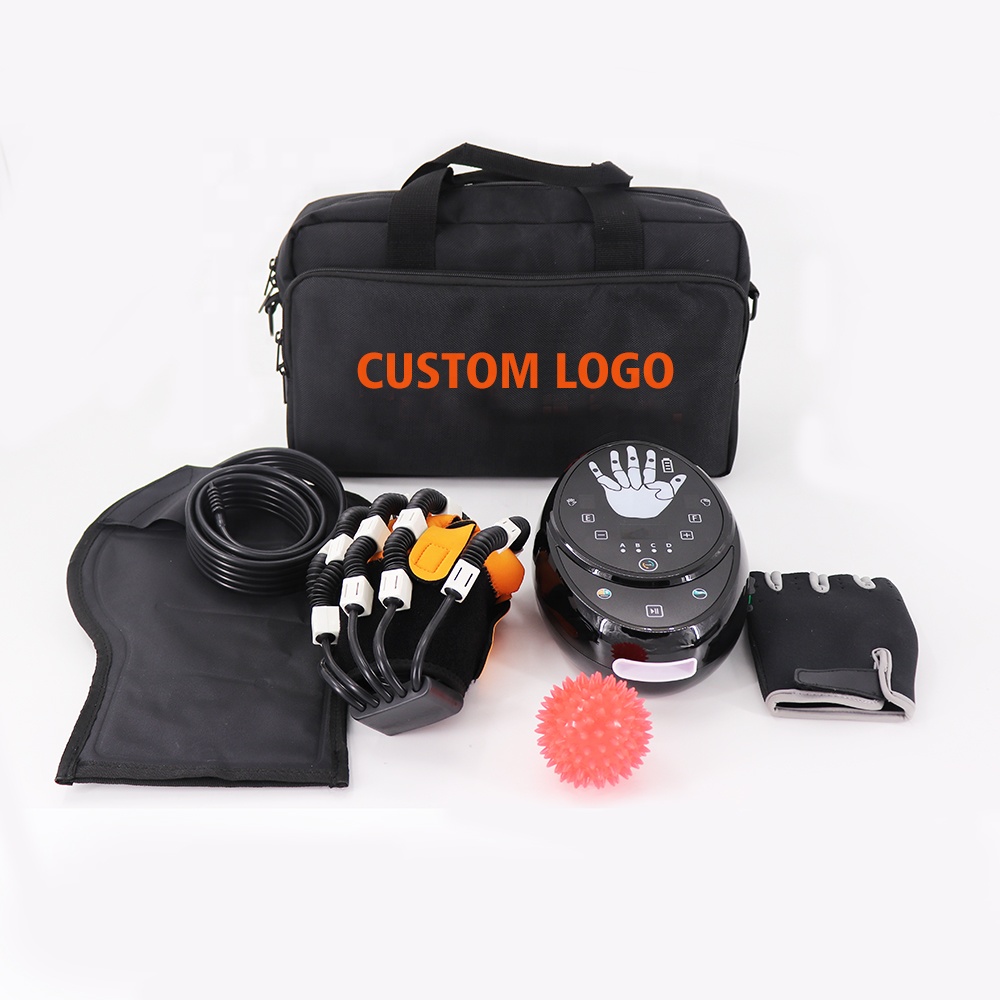
As a distributor, your catalog should position rehabilitation robot gloves as part of a larger, integrated package. Buyers are actively searching for suppliers who can provide complete robot gloves for hand training and rehabilitation supplies. This means offering the capital equipment (the main pneumatic console and touchscreen interface) alongside a steady supply of consumable, patient-specific gloves, sanitary liners, and compatible upper-extremity support devices like arm slings or mobile arm supports.
Partnering with a manufacturer that offers a diverse, interoperable product line allows you to become a single-source vendor for your clinical clients, streamlining their purchasing process and locking in long-term B2B relationships.
It is easy for a factory to build a glove that inflates. It is incredibly difficult to build rehabilitation robot gloves that can survive the rigorous demands of a continuous clinical therapy program.
In our R&D and manufacturing facilities, we design our equipment specifically for high-frequency clinical environments. We know that if a pump overheats after two hours of group therapy, the entire clinical program grinds to a halt. Therefore, we utilize medical-grade, continuous-duty brushless air compressors designed to run quietly and coolly for thousands of hours. We construct our glove bladders from biocompatible, high-tensile composite polymers that can withstand harsh hospital disinfectants without degrading.
When you source from a dedicated medical manufacturer, you aren't just buying inventory; you are buying the engineering reliability that keeps your clients' programs running flawlessly.
The era of strictly manual, unquantifiable hand therapy is ending. Today, elite clinics rely on comprehensive, tech-enabled programs to drive patient recovery, and rehabilitation robot gloves are the foundational hardware making this possible.
By standardizing treatment protocols, dramatically increasing patient throughput, and providing vital objective data for insurance billing, these devices offer unparalleled value to medical facilities. For distributors, stocking clinical-grade rehabilitation robot gloves is a strategic move to capture high-margin hospital contracts and establish your brand as a leader in smart medical technology.
Looking to elevate your neuro-rehabilitation product catalog? Partner with a manufacturer that understands the clinical realities of modern therapy programs. Contact our team today to explore ODM/OEM customization, bulk procurement options, and how our advanced smart rehabilitation equipment can drive serious growth for your distribution business.
 EN