Unit 301 No. 6 Xianghong Road,Torch Hi-Tech Zone Industrial Park,Xiang'an District, Xiamen P.R.China
+86-13365922007
[email protected]


The global sports rehabilitation and sports recovery equipment market is undergoing transformative structural shifts. Driven by rising fitness participation, aging populations, growing awareness of proactive muscle recovery, and iterative medical technology upgrades, the once segregated professional clinical market and consumer wellness market are rapidly merging. Grand View Research data shows the global sports medicine market maintains an 8.7% CAGR through 2033, with sports rehabilitation devices standing as the fastest-growing subdivision. As a professional manufacturer holding ISO13485, FDA 510(k) and CE-MDR certifications, Xiamen Weiyou Intelligent Technology (VU) summarizes five defining industry trends reshaping the global recovery equipment ecosystem.
Historically, high-performance sports recovery and rehabilitation equipment was exclusively deployed in hospital rehabilitation departments, orthopedic clinics and elite professional sports training grounds. Today, a clear market convergence trend has emerged. End-user demand has shifted from passive post-injury treatment to active daily fatigue relief and long-term athletic performance maintenance. Marathon runners, recreational gym users, and elderly groups with joint discomfort all pursue hospital-standard rehabilitation technology for at-home use. To match this market shift, medical equipment suppliers are miniaturizing complex clinical technology into lightweight, easy-to-operate consumer products. Mainstream sports recovery and rehabilitation equipment, including multi-chamber air compression massage boots and portable semiconductor cold-hot therapy machines, deliver identical clinical therapeutic effects without mandatory guidance from professional therapists. This cross-scenario product iteration bridges the gap between institutional medical care and daily consumer wellness.
All innovations in sports recovery and rehabilitation equipment revolve around four mature, mass-produced core technologies, which have become core competitive barriers for qualified manufacturers:
Sequential air compression systems adopt adjustable intelligent pressure gradients ranging from 30 mmHg to 240 mmHg. This design accelerates venous blood return and lymphatic drainage, effectively relieving delayed onset muscle soreness (DOMS) after training and reducing limb edema for rehabilitation patients.
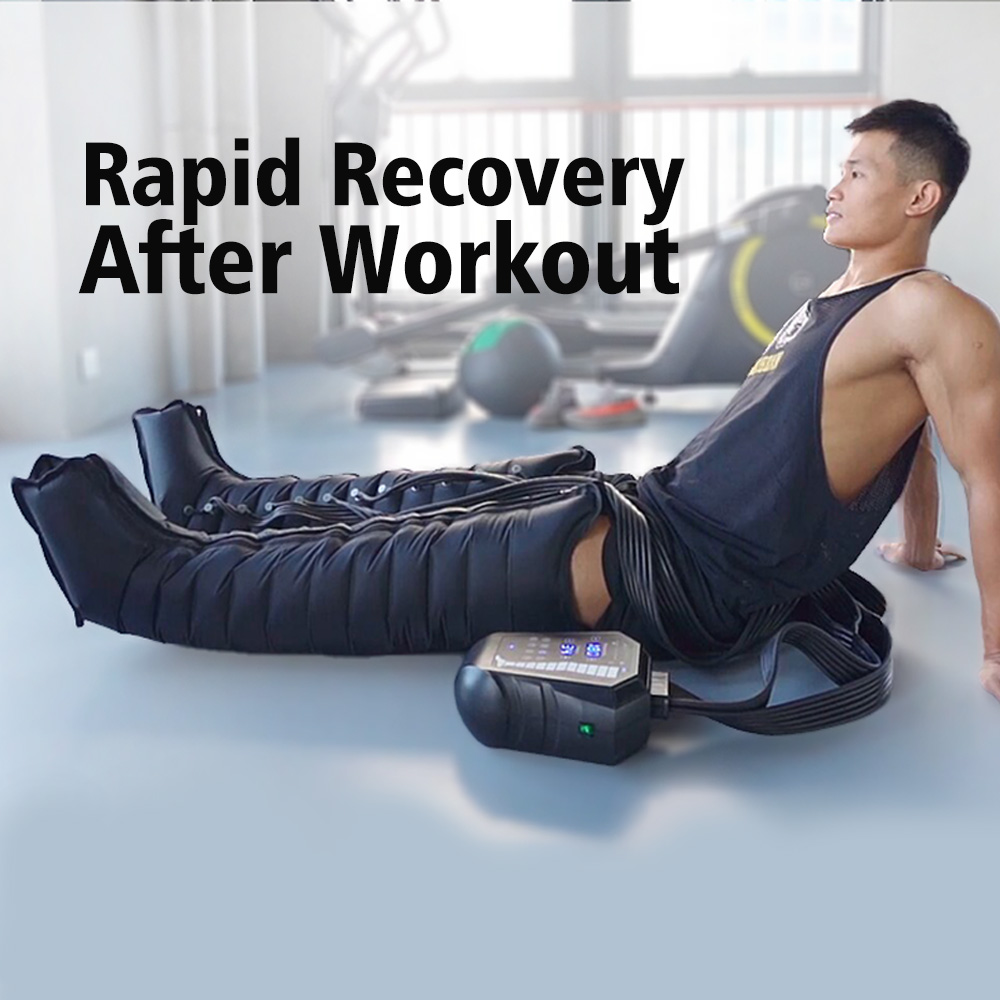
Replacing traditional cumbersome ice bath recovery, semiconductor heating and cooling modules support rapid temperature switching between 3°C and 40°C. Combined with gradient air compression, the equipment quickly eases tissue swelling and acute sports inflammation, realizing integrated cold and hot physical therapy.
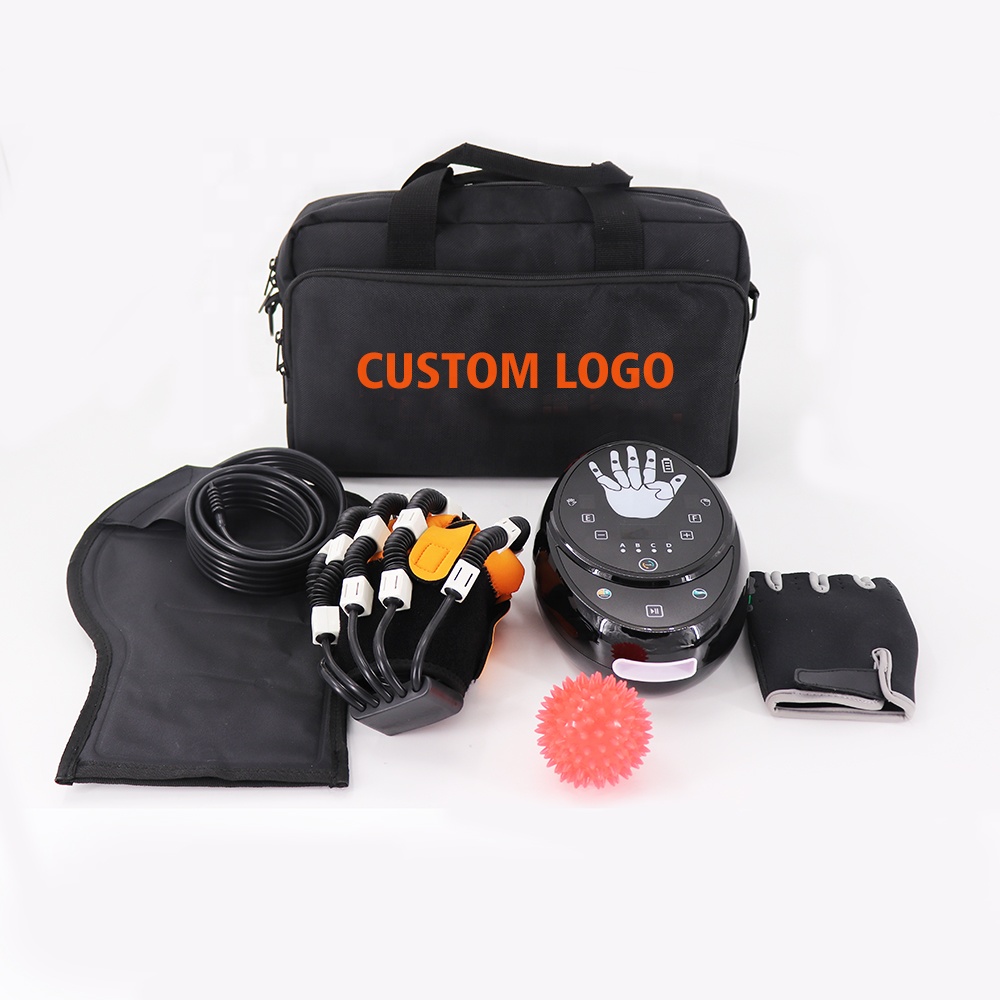
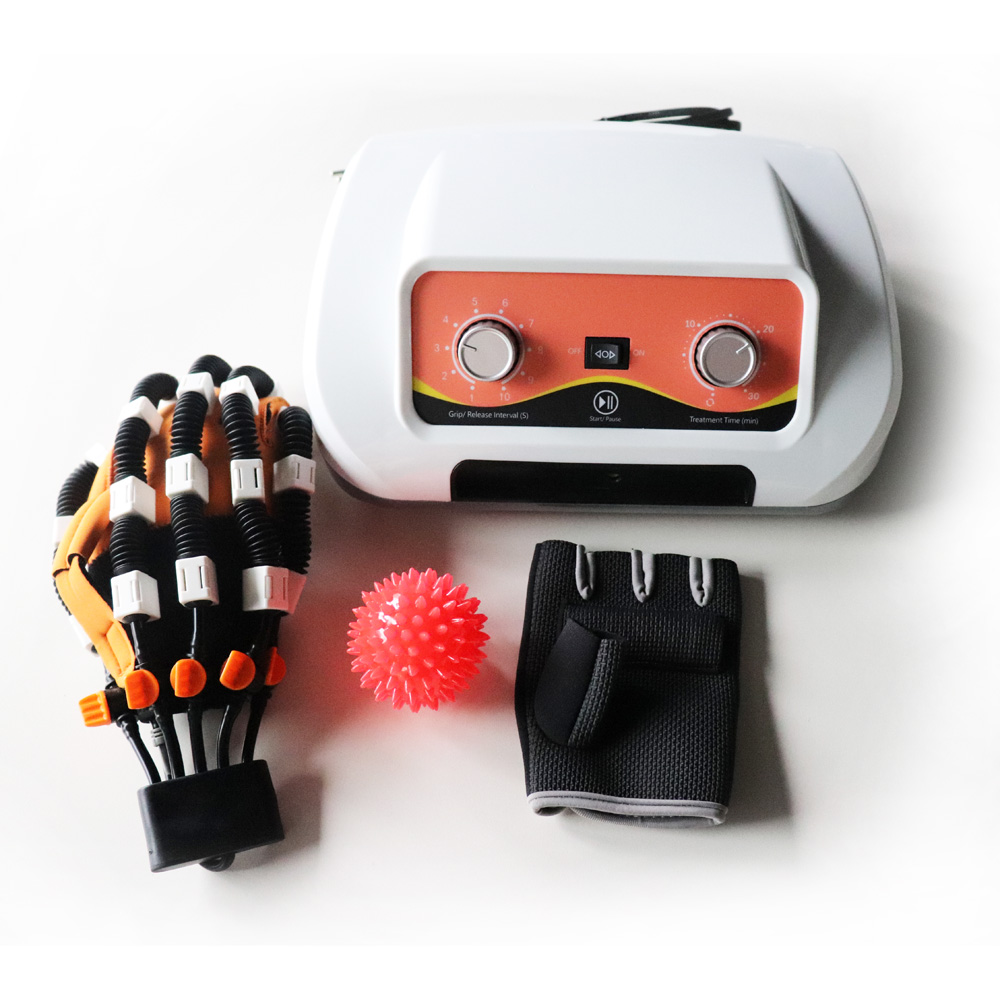
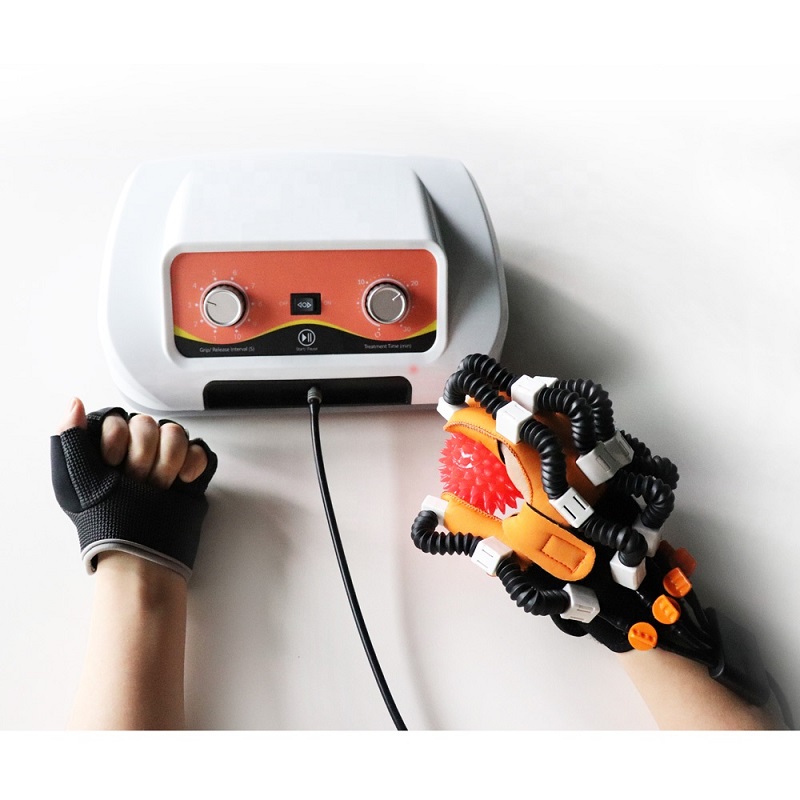
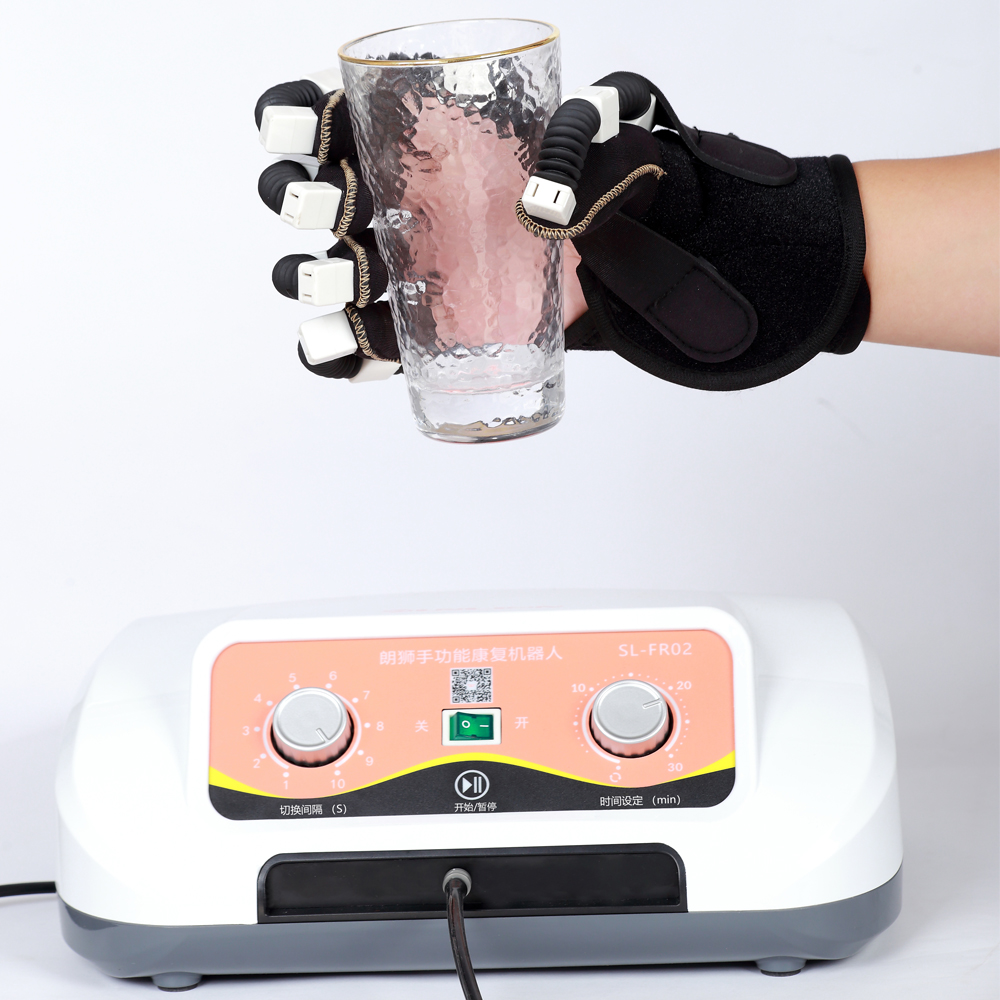
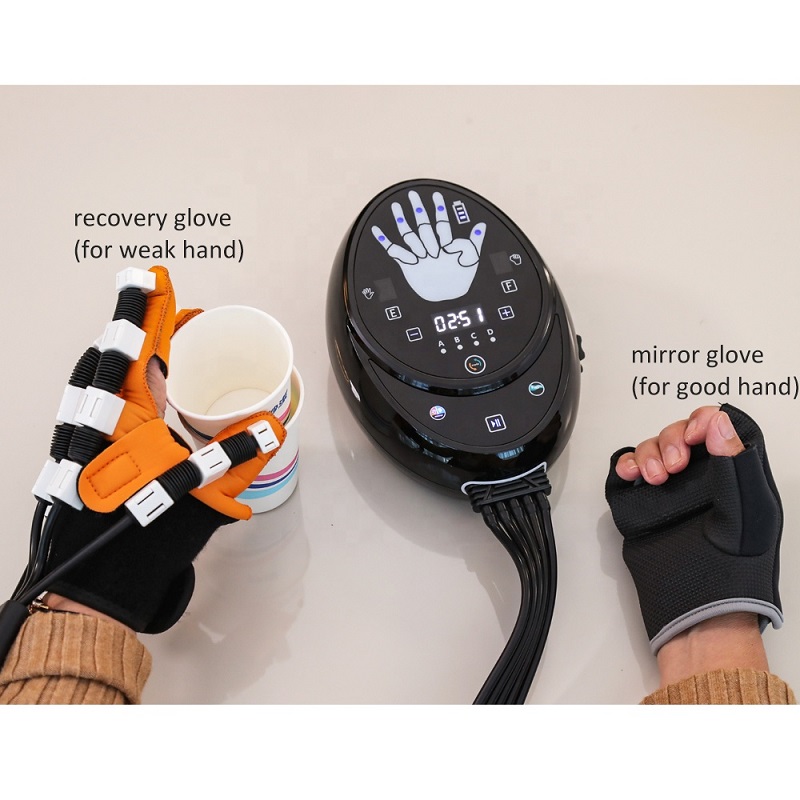
Pneumatic bionic actuators and mirror rehabilitation technology drive the upgrade of hand rehabilitation training devices. Stroke survivors and athletes with nerve injuries can reconstruct neuromuscular movement pathways through targeted task training, greatly improving the efficiency of limb function recovery.
New-generation sports recovery and rehabilitation equipment is embedded with real-time biometric sensors, paired with touch screens and dual-adjustment control panels. Users can independently set treatment duration, compression cycles and intensity to match individual physical conditions, achieving customized recovery solutions.
For sports science laboratories, hospital orthopedic wards and chain physical therapy clinics, procurement standards for sports recovery and rehabilitation equipment focus on three core dimensions: clinical certification compliance, heavy-load durability and stable long-term operation. All institutional buyers prioritize products with internationally recognized medical certifications including ISO 13485, FDA 510(k) and CE-MDR. Unlike household devices, clinical equipment faces round-the-clock multi-patient usage, pushing the whole industry to phase out battery-powered products and adopt universal 100–240V plug-in continuous-duty systems. This design avoids performance attenuation and equipment overheating risks caused by frequent charging, meeting high-intensity all-day clinical use demands.
The consumer market follows a completely different product logic, prioritizing simple operation, streamlined appearance and space-saving ergonomic design. Modular interchangeable cuffs for knees, shoulders, backs and lower limbs have become mainstream, adapting to diverse daily fitness, office fatigue relief and elderly care scenarios. Meanwhile, mature one-stop OEM/ODM manufacturing capacity has lowered the threshold for global wellness brands to enter this track. Manufacturers like VU support ultra-low MOQ with full customized services covering product appearance, built-in programs, brand logos, multi-language operation manuals and localized interfaces. Distributors and brand merchants can quickly launch exclusive sports recovery and rehabilitation equipment to seize regional consumer market opportunities.
The sports rehabilitation equipment market will sustain rapid growth in the next decade, with AI and IoT connectivity as the core development direction. Upgraded intelligent recovery hardware will automatically collect and analyze user muscle fatigue data, generate dynamic adaptive recovery plans, and synchronize long-term rehabilitation progress to cloud platforms for continuous data tracking. As the dividing line between professional clinical therapy and home rehabilitation continues to fade, manufacturers with formal medical production qualifications and user-oriented product design will dominate the global market transformation. With 16 years of industry accumulation, 300+ patents, a 20,000㎡ self-owned factory and full international medical certification, Xiamen Weiyou Intelligent Technology (VU) provides standardized clinical equipment for institutions and customizable portable recovery devices for consumer brands, becoming a reliable global partner in the intelligent sports rehabilitation supply chain.
 EN